

Sliven online

Начало
Категории новини
Други категоризации
Новинарски сайтове
Източници на новини
- Бюро по труда-Сливен
- ВиК-Сливен
- ДейтаМплант
- МБАЛ "Д-р Ив.Селимински"
- МКБППМН Сливен
- Мед. център Миркович
- Митрополия Сливен
- ОУ "Е. Багряна" (XII)
- ОУ "П. Хитов" (VII)
- ОбСНВ, ПИЦ-Сливен
- Област Сливен
- Община Сливен
- Общински съвет - Сливен
- Обяви за работа – Сливен
- ПГ по Механотехника
- ПГПЗЕ "Захарий Стоянов"
- ППЗЦ - Сливен
- ПХГ "Дамян Дамянов"
- РЦИР
- Регион.Ист.Музей-Сливен
- СБР - Котел
- СУ "Й. Йовков" (X)
- Сп. "Текстил и облекло"
- Спортно у-ще "Д. Рохов"
- ТПП-Сливен
- Топлофикация-Сливен
- Туида Нюз
- ЮТРЛВК - Сливен
Търсене
Преводач
RSS
Сливен. Новини от източника. Последни новини
MEPs meet with ECB President to talk inflation and artificial intelligence
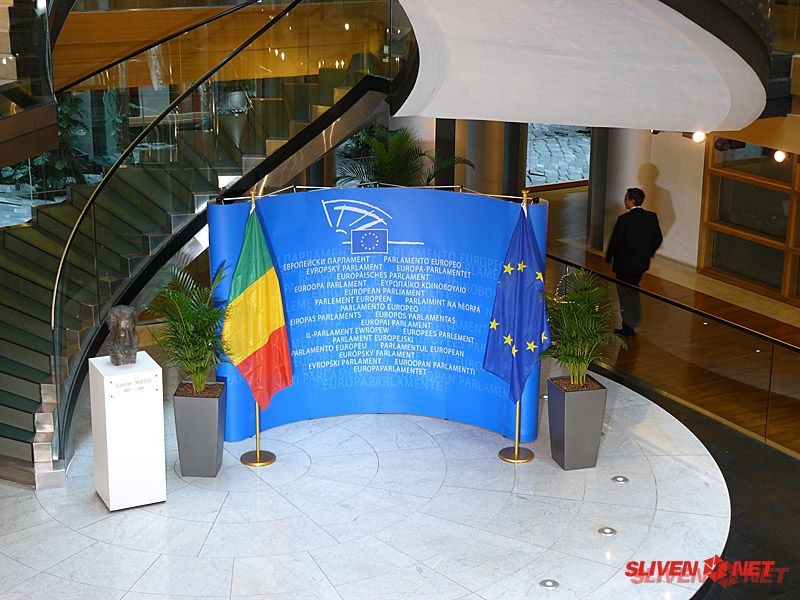
On Monday, Economic and Monetary Affairs MEPs held their third meeting of the year with Christine Lagarde, President of the European Central Bank (ECB).
During the meeting MEPs focused their questions on the effects of the energy price shock on inflation and the real economy. They also asked various questions about the specific topic chosen for this meeting, namely the effects of artificial intelligence on ECB monetary policy.
Opening the meeting, Ms Lagarde gave an overview of the economic outlook and inflationary trends. She said that despite inflation rates in the coming years being higher than what the ECB had expected previously, there were no signs that these rates were becoming embedded. The second quarter of the year had seen solid growth but the outlook showed downside risks for economic growth, she told MEPs. On artificial intelligence, Ms Lagarde said that although it should reduce inflationary pressures in the long term, the ultimate effects remained uncertain. To succeed in this area, the EU needed to enable innovation, build greater independence, and deploy artificial intelligence intensively and broadly, Ms Lagarde said.
MEPs specifically asked Ms Lagarde about how member states had received the ECB’s recommendations on national measures to address high fuel prices. They also asked whether the ECB was assessing dependences on fossil fuels and whether these could be addressed by monetary policy. High energy prices were also resulting in windfall profits and MEPs asked how this should be dealt with. Some MEPs also contested the recent ECB interest rate hike arguing that it was not necessary and could negatively affect the cost of housing and of green investments.
On artificial intelligence, MEPs asked if the ECB would be integrating the effects of AI into its analysis similarly to what it does with climate change, and whether the ECB planned to develop regular scenarios about AI risks. They also asked about the link between AI and energy prices and whether AI was having a net positive or negative effect on jobs. Finally, MEPs also asked what the estimated economic growth effects were in Europe from AI.